Knowledge base › Self-knowledge
Perfectionism: when a high standard is really procrastination

We like to call perfectionism a good flaw — it’s the standard thing to say in a job interview. In practice it rarely makes anything better: perfectionists’ work isn’t higher quality, it just arrives later, or never. There’s a simple reason for this, and once you see it a lot falls into place: here the high standard isn’t a goal but a shield.
Perfectionism isn’t a high standard
There is nothing wrong with a high standard. Someone conscientious reviews their work, improves it, and it ends up better. That is professional care, and it has a reliable sign: it gets finished.
Perfectionism works differently. There the standard doesn’t serve the quality of the work, it protects you — from being judged. While it isn’t finished, it can’t be bad. While you’re polishing, it can’t turn out to be not enough. The high standard here isn’t a goal but a reason to postpone, and that’s exactly why it feels justified: you aren’t lying to yourself, you really are conscientious — it just isn’t conscientiousness driving it.
The distinction comes down to one question: does your standard take you closer to finishing, or further from it? Closer is care. Further is defence — however seriously you believe in the meantime that it’s about quality.

Its three faces
It doesn’t look the same for everyone, and the remedy differs too. Read them through and note which one made you nod.
- 1. The postponer. Doesn’t even start. Until there is the right moment, proper preparation, a clear head, it isn’t worth it — and so the moment never comes. From outside it looks like laziness, from inside like responsibility: “I don’t want to do it half-heartedly”.
- 2. The never-finished. Starts, makes good progress, then can’t put it down. The real work begins at the ninetieth per cent: rewriting, fine-tuning, one more round. This is the most expensive version, because most of the time spent no longer improves anything — it only postpones the moment when others see it.
- 3. The start-over. After a mistake doesn’t fix it but discards it and begins again. “It’s no good like this now.” This is the most painful, because from outside it looks like diligence while in fact it is the regular destruction of completed work.
Which is the most common?
The second — the never-finished — and it’s the one others see least, because you really are working the whole time. The first two respond to the same remedy: naming the “good enough” threshold IN ADVANCE. The third runs deeper, and there’s a separate section on it below.
How to tell which one is yours
Choose one concrete thing that is open right now, and ask yourself these three. Write the answers down too — in your head it’s easy to dodge all three.
- When would this be finished? If you can’t name a date because “when it’s good”, then there is no completion condition — and what cannot be finished, won’t be.
- What concretely is still missing from it? If you can list three specific things, that’s fine. If all you can say is “it isn’t quite there yet”, then you’re not dealing with the work but with a feeling.
- What would happen if you handed it over now, in this state? This is the revealing question. If the answer is concrete (a chapter is missing, the calculation is wrong), it’s professional. If the answer is a FEELING — it would be embarrassing, it would come out that I’m not good enough — then you know what you’re dealing with.

The “good enough” threshold — named in advance
This is the most important practical part of the article, and it’s ridiculously simple: before you START the work, write down what will make it finished. Not afterwards, when you’re already in it — by then anxiety decides.
A good “good enough” threshold is concrete and checkable. “Four paragraphs, answers all three questions, read through once.” “The total adds up, the three most important items are justified.” Then comes the hard part: when the threshold is met, you put it down — even if three improvements have occurred to you in the meantime.
The threshold works because it takes the decision out of the moment when you are in the worst state for it. At the end of a piece of work everything always looks worse — that’s normal, because by then you know every flaw of it and have grown used to the good parts.
In brief
- Perfectionism isn’t a high standard but a shield: while it isn’t finished, it can’t be bad.
- The distinguishing question: does your standard take you closer to finishing, or further?
- Three faces: the postponer, the never-finished (most common), and the start-over.
- Write the “good enough” threshold BEFORE starting — at the end, anxiety decides.
- Work always looks worse at the end. That is not information, it is distortion.
Why it doesn’t make the work better
It’s worth saying plainly, because what keeps perfectionism alive is that it looks like a good investment.
For most tasks the relationship between effort and quality flattens early: in the first part of the time it improves a lot, after that barely. The tenth read-through typically doesn’t find anything the third didn’t — the return has run out, while the time keeps running.
And there is a hidden cost worse than the wasted time: the other three things that didn’t get done. Someone taking one task from ninety to ninety-four over three days could have taken three others from zero to eighty in the same period. So perfectionism isn’t choosing between quality and speed, it’s choosing between one thing and many things.
The practical rule: ask for feedback EARLIER than you’d like. Not on the finished work but on the half-finished — because most real mistakes are things you wouldn’t notice yourself anyway, and the days spent polishing delay exactly that.

When it’s projected onto others
There is a version rarely talked about that wears on relationships: when you hold the standard not against yourself but against other people.
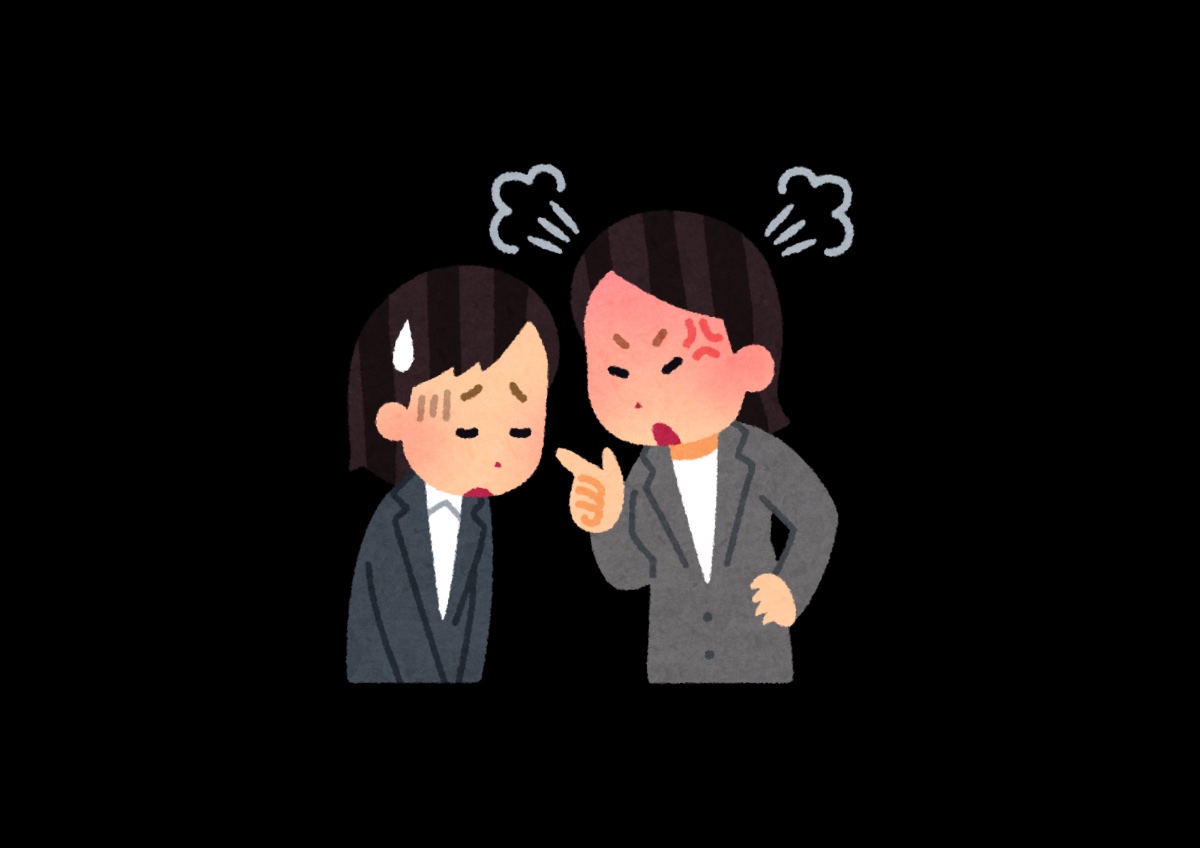
Its sign isn’t criticism but redoing. You don’t say anything, you just do it properly afterwards. This is worse than an open objection, because the other person understands the message exactly but cannot respond to it — nothing was said.
The remedy here isn’t “be more lenient”. What works is naming the threshold IN ADVANCE, just as with yourself: what will make this good. That way the other person has something to work to, and you have something to measure against — and it isn’t later disappointment that decides. Our article on setting boundaries covers naming limits in more depth.
What not to do
Three pieces of advice circulate that regularly backfire with perfectionists.
- Don’t tell yourself to “let it go”. That isn’t a task but an expectation — and putting another expectation on perfectionism achieves precisely the opposite. Write a threshold, not an attitude.
- Don’t deliberately do bad work as practice. This is popular advice and for most people simply not workable — it just becomes one more thing to fail at. “Good enough” isn’t bad: it’s good enough because it’s defined.
- Don’t set a deadline without a threshold. A bare deadline doesn’t turn a perfectionist into a finisher but into someone anxious: they’ll polish on the last night. The date needs the condition beside it — what makes it done.
A week that measures it
If you don’t know how much this affects you, a week will show it. One line a day, in the evening, in one minute.
- Write down what you could have finished today and didn’t put down. One thing, concretely.
- Note what was missing from it in your eyes. And mark it with a letter: C if it was concrete (a missing part, an error), F if it was a feeling (“it isn’t quite there”).
- Add a number: how many minutes you spent on it AFTER it was already usable.
At the end of the week look at two things: how many Fs there are compared with Cs, and the sum of the minutes. The first tells you how much anxiety decides for you; the second tells you the price, in hours. That number tends to be more convincing than any argument.
Where a system helps
The hardest part of perfectionism is that afterwards it always looks justified. On one occasion the work really did get better from that extra hour — and because you only remember that occasion, it never comes out how many times it didn’t.
That’s why Mirrify doesn’t offer advice for this but a place: the daily entry records what stayed open and why, and goals and habits sit in the same system. After a few weeks you’re not arguing with yourself from memory — you can see how many times it was F and how many times C.
What it doesn’t give: it won’t close the work for you, and it won’t decide what “good enough” is. The threshold is yours to write — the system only helps you not forget what it cost when you didn’t.

The one sentence you can start with
If you take one thing from all of this, let it be: on your next task, before starting, write in one sentence what will make it finished. Not because one sentence is worth much, but because that sentence is born at a moment when it isn’t anxiety speaking through you.
And if even that fails — if you write the threshold, it’s met, and you still can’t put it down? Then it isn’t about the work but about what finishing would mean: being looked at. Our article on limiting beliefs is about that, and there the question is different too: not how to be faster, but what exactly you are afraid of.
Frequently asked questions
What is the difference between conscientiousness and perfectionism?
With conscientiousness the high standard serves the work, and it has a reliable sign: it gets finished. With perfectionism the standard protects you from being judged — while it isn’t finished, it can’t be bad. The distinguishing question: does your standard take you closer to finishing, or further from it?
Why do I procrastinate if I’m conscientious?
Because the two are the same phenomenon. One face of perfectionism is precisely not starting: until there is the right moment and proper preparation, it “isn’t worth it”. From outside it looks like laziness, from inside like responsibility — in fact it’s keeping distance from being judged.
What is the “good enough” threshold and how do I do it?
A concrete, checkable condition for what makes the work finished — written BEFORE you start it, not afterwards. For example: “four paragraphs, answers all three questions, read through once.” Before starting, because at the end anxiety decides, and then everything always looks worse.
Does all that polishing really not improve the work?
The relationship between effort and quality flattens early: the tenth read-through typically doesn’t find anything the third didn’t. And the hidden price isn’t the time but the other three things that didn’t get done — perfectionism isn’t choosing between quality and speed but between one thing and many things.
Why does my own work always look bad at the end?
Because by then you know every flaw of it and have grown used to the good parts. That is distortion, not information — which is why you shouldn’t decide whether it’s good enough at the moment of finishing. That’s what the threshold written in advance is for.
What should I do if I’m a perfectionist towards other people?
The sign isn’t criticism but redoing: you don’t say anything, you just do it properly afterwards. The other person understands exactly but can’t respond, because nothing was said. The remedy is the same as with yourself: say IN ADVANCE what will make it good — then they have something to work to, and later disappointment doesn’t decide.
Does it help to tell myself to “let it go”?
No, quite the opposite. That isn’t a task but another expectation — and putting an expectation on perfectionism achieves the reverse. What works: a concrete threshold before starting, and early feedback on half-finished work. Write a threshold, not an attitude.
Mirrify
Turn reading into practice
Mirrify brings your journal, habits, goals and an AI mentor that works from your own data together in one place.
- Journal, morning and evening reflection, habits, goals and to-dos — in one system.
- An AI mentor that remembers your earlier entries and shows you your patterns.
- Write with no connection: it syncs as soon as you are back online.
Also worth reading in the knowledge base
 Self-knowledgeThe inner criticWhose voice you speak to yourself in.11 min→
 Daily practiceHow to stop procrastinatingSix methods that really work.17 min→
 Self-knowledgeLimiting beliefsWrite them down, then make them testable.10 min→
 Self-knowledgeBuilding self-confidenceSeparate self-worth from performance.8 min→
 Self-knowledgeSelf-sabotageSelf-sabotage never feels like sabotage — there is always a good reason.12 min read→
 Self-knowledgeImposter syndromeNot a lack of confidence but broken bookkeeping: success goes to luck,…12 min read→