Self-knowledge, in practice.
Body image and body acceptance: why the mirror doesn’t decide what you see
Body image is not your body, it is how you look at it. Where a negative body image comes from, and how to reach body acceptance in writing.

Manifesting: what works and what does not — from wish to plan
The law of attraction has no basis, but phrasing a wish precisely does. This is how it becomes a plan.

Processing grief: not five stages but waves — and the bond that remains
Grief does not move neatly in order, and the goal is not to let go of the person you lost. What helps in the first year.

Forgiveness: not letting them off, not making up — a decision you make for yourself
Not letting them off and not making up. A decision you can work through in writing, step by step — for others and for yourself.

“We always argue about the same thing”: write down the loop so you can step out of it
A recurring argument is not an event but a loop. After four of them you can see where to step out.

After infidelity: the sixty days in which you decide — not the first night
We will not tell you to stay or go. We give you what lets you decide it yourself in sixty days.

Love languages: the quiz tells you what you think — your month tells you what lands
The quiz measures how you see yourself. Your last thirty days show what actually reaches you.

Task paralysis: when “just start” is exactly what does not work
Not procrastination and not laziness: you know it matters, you want to — and still nothing moves.

An ADHD-friendly morning: three steps that require no willpower
Twelve-point morning routines ask for decisions when you have the fewest. Three steps instead.

Time blindness: why everything slips, even when you watched the clock
It is not willpower that is missing: estimating elapsed time is what fails. That is why clock-watching does not help.

Adult ADHD: the seven signs your journal can show — and what to take to the doctor
This article does not diagnose. It gives you what you can do: two weeks of notes a doctor will use.

Reparenting: the five minutes a day that are not self-pity
Reparenting is not coddling: it replaces three things — predictability, recognition, limits.

People pleasing: why you say yes when you mean no
The automatic yes is not kindness: it is fear’s answer, and it happens within three seconds.

Adult child of a narcissistic parent: the seven patterns that still decide for you
The label is not your job — the pattern is recognisable, and it keeps running in adulthood.

The inner child: what it actually means, and what to write down so it does not stay a slogan
The “inner child” is not a separate person inside you but old learning that still decides today.

Single again: the first month is not there to be filled but to be observed
The first reflex is filling — and that is exactly what loses what the period is valuable for.

No contact: what to measure for 30 days so you know whether it works
“No contact” is not a trick and not a punishment: it is a boundary that makes closure possible.

Why can I not let go? The rumination that is repetition, not remembering
“Let it go” does not work because it is not an action — repetition is running, and repetition needs an output.

Getting over a breakup: the 30 days that decide what you learn from it
A breakup is not one loss but four at once — and each one asks for something different.

Conflict avoidance: “I’d rather swallow it” — and what it costs
Avoidance is not peacemaking but a deferred bill — and the interest accrues inside the relationship.

When things are hard with your parents — as an adult
As an adult your parent will not change. What can change is your expectation that one day they will hear you.

Social anxiety: why every social occasion wears you out
The engine of social anxiety is not the conversation but what starts in your head afterwards.

Loneliness: why more people and more plans do not solve it
Loneliness is not about the number of people but about whether anyone knows you.

Money anxiety: why earning more does not make it go away
Money anxiety does not move with income but with predictability.

Jealousy: what it tells you about yourself, and what it does not tell you about them
Jealousy is information about what you fear losing — not evidence of what happened.

“I don’t know what I want” — what is actually behind the sentence
“I don’t know” is rarely emptiness. Mostly it is knowledge plus a fear of the consequence.

When everything changes: the first 90 days in a new life situation
It is not the task that is hard — the routine and the yardstick vanished together.

How to hold yourself to something when nobody is checking
What is missing is not willpower but someone to whom it matters whether you did it.

The unspoken expectation: being angry at someone for something you never asked for
undefined

The difficult conversation: the first sentence you have to write in advance
A difficult conversation is decided in the first sentence, not the middle.

How to take criticism: the 24 hours that decide whether it is information or noise
The problem is not the pain — it is that you judge while flooded.

What to bring to therapy: the half page that gives you back the first ten minutes
Half a page gives you back the first ten minutes of the session.

The bad-day protocol: three steps you have to write in advance
On a bad day it isn’t willpower that’s missing but a decision already made.

Always tired: the four kinds of tiredness, and why going to bed earlier doesn’t help
Tiredness isn’t one thing but four — and until you know which is yours, every fix is guesswork.

Anger: why you snap over nothing — and what it is actually telling you
The size of the reaction doesn’t belong to this event. It belongs to the series.

Self-sabotage: why you ruin it exactly when it starts going well
It never feels like sabotage. The giveaway is the timing.

Gaslighting: when you no longer trust your own memory
It works because memory is a reconstruction — which is why writing it down the same day is the only thing that holds.

Your cycle and your mood: the map you draw in two months
What repeats can be known in advance — and what you know in advance can be planned around.

Asking for a raise: the evidence you should have been collecting months ago
The negotiation is decided in the record, months before the conversation.

Where does my time go? One week that shows you
The calendar only sees what someone else is part of — the rest of the week is unrecorded.

Imposter syndrome: when success doesn’t convince you either
Not a lack of confidence but broken bookkeeping — which is why more success doesn’t help.

Comparing yourself to others: why it feels like everyone is ahead of you
Comparison isn’t a bad habit but an instrument — and the sample is broken.

Overcommitment: the capacity you never worked out
undefined

The daily top three: why three, and what happens at four
undefined

Systems instead of goals? The advice everyone misreads
A system without a goal drifts. A goal without a system stays a wish.
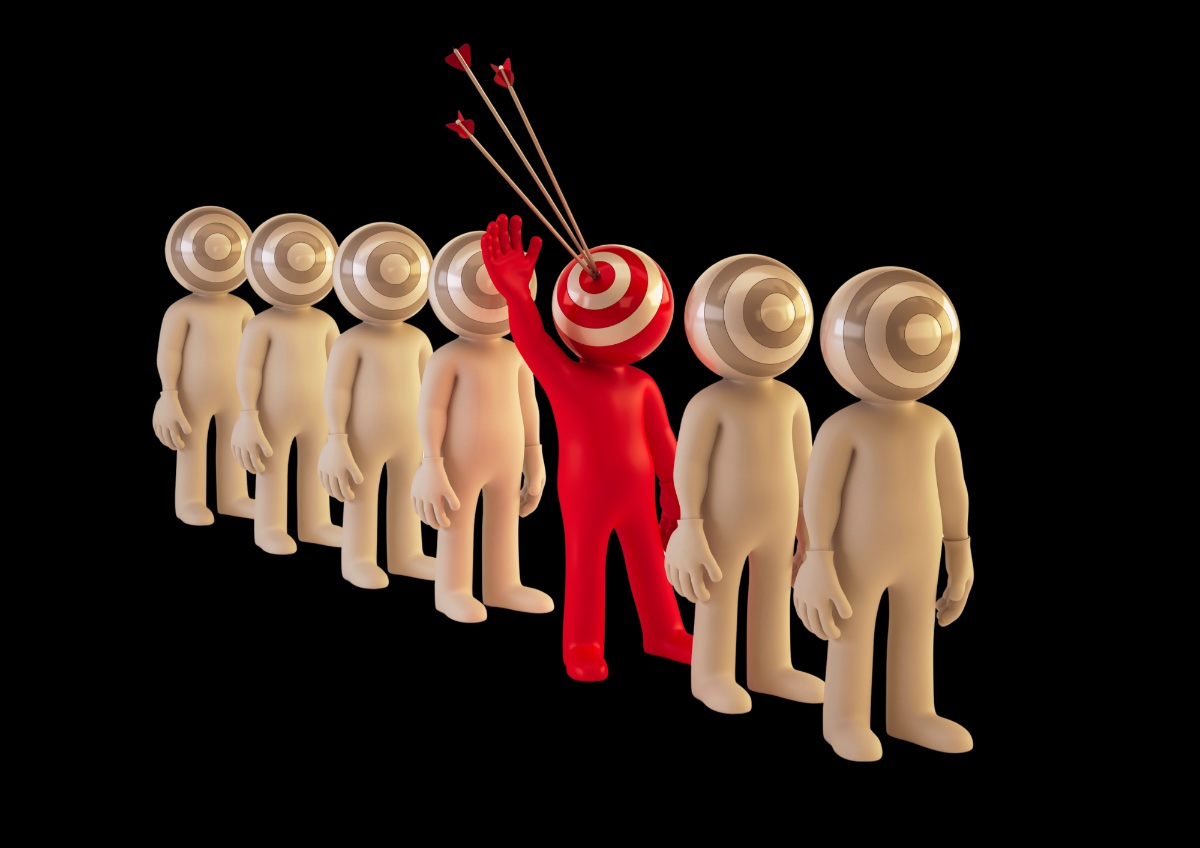
Shame: the hardest feeling to say out loud — and what it does to your habits
Guilt says you made a mistake. Shame says you are the mistake.

The Sunday scaries: why Sunday evening is hard — and what to do about it
It isn’t necessarily the job. The week was never closed.

Introvert or extrovert? The test asks the wrong question
It isn’t about liking people. It’s about where your energy returns.

Perfectionism: when a high standard is really procrastination
Not a high standard but risk avoidance.

Sleep diary: two weeks that show what actually ruins your sleep
The advice list is the same for everyone. The cause isn’t.

I can’t focus: the four thieves of attention
“I can’t focus” can mean three completely different things.

A letter to your future self: how to write one that actually gives direction
Your brain treats your future self roughly as a stranger — which is why it is so easy to push the hard things onto them.

Energy map: measure for one week what fills you and what drains you
Your schedule tells you where the day went — not why you are empty in the evening.

Why am I not moving, when I know exactly what to do? The knowing–doing gap
Not a lack of information, and not a question of willpower.

The weekly review: twenty minutes that decide your next week
The daily entry collects, the weekly review processes — and it is the review most people skip.

Offline journal app: which one really works without internet?
On a plane, on the underground, abroad — journaling drops out exactly when you have the most time for it.

How to make a vision board that is not just decoration
Pictures on their own bring nothing closer — research suggests they sometimes push it further away.
The September reset: the four months that decide your year
September is the year’s second big clean page — and the last one with real runway.
Switching journal apps? How to carry your last few years across
Export, format loss, and the 80/20 rule: most of your old journal is noise.
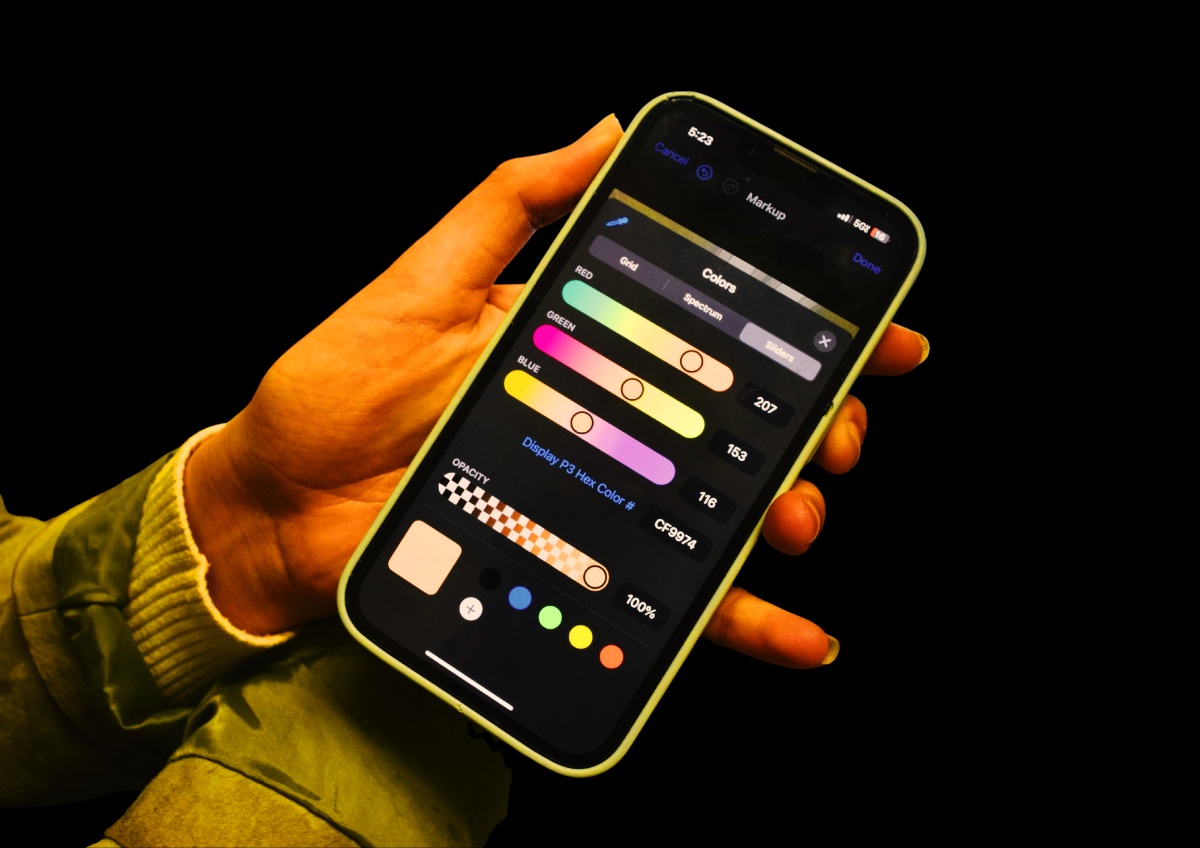
How far do you get for free? Self-knowledge tools, paid and unpaid
What you really get without paying, where the free road ends, and what you are actually buying when you pay.

Why do people quit journaling after 2-3 weeks?
Six structural reasons the drop-off lands around week three — and a three-week restart plan for each of them.

Journal, mood tracker, habit tracker or coaching app?
Five categories, five completely different jobs. What each one does, where it stops — and which you're really looking for.

Best year review and annual planning apps 2026
YearCompass, Notion templates, journal look-backs, mood statistics — and what makes a year review useful rather than merely pleasant.

Limiting beliefs: write them down, then make them testable
A five-step protocol for the sentences that decide what you never attempt — evidence from your own thirty days, not positive rephrasing.

Relationship inventory: who lifts you, who drains you
A four-column inventory from your calendar, not memory. The most common finding isn't that someone drains you — it's that someone is missing.

Gratitude as a tool, not a decoration
If your gratitude list went hollow, the practice isn't the problem — the framing is. Four rules that turn it into attention calibration.

Best life planner apps 2026
Notion life OS, Sunsama, Motion, Todoist, Obsidian, paper planners — plus the layer nearly all of them miss: direction and feedback.

A decision journal for leaders and founders
The outcome overwrites the memory. What to record at the moment of deciding, when to review, and what an AI mentor adds.

How Mirrify works — the methodology and what it draws on
Where the questions come from, how a pattern becomes a goal, what the AI mentor does — and what we do NOT claim.

Best habit tracker apps 2026 — which one will you actually stick with?
Streaks, Habitica, Loop, Fabulous, Finch — what each is for, plus the question streak logic hides: what happens after the week you miss?

Best mood tracker and mood journal apps 2026
Daylio, Bearable, Reflectly, Stoic, Apple Health State of Mind — plus the question most never answer: what do you do with the chart?

Is there a journaling app that also tracks my money?
Journals know nothing about money; money apps know nothing about you. What one place gives you — and the limit: no bank sync.

Best goal setting and goal tracking apps 2026 — which one fits you?
Task managers, habit trackers, Notion, OKR tools — what each is for, plus the question most lists skip: what keeps a goal alive.
A journaling app for ADHD, after burnout, or alongside therapy — which fits?
What stalls people with ADHD, what helps after burnout, and what works alongside therapy — an honest guide that names the limits too.

What the AI sees in your journal — and what it doesn’t
The route your text takes, how much travels in a single AI call, what we store about it, and what we never do — concretely.

Setting boundaries: the hard part isn't the no, it's the next day
A four-part sentence, the five moments where you lose the boundary, riding the guilt wave and a 7-day practice.

The inner critic: why harshness doesn't motivate, and what works instead
What the critic protects, what self-compassion research says, and a three-step shift that isn't soft.

Attachment styles: don't take another quiz — read back your last 30 days
The four patterns in everyday behaviour, why quizzes mislead, and six signals to find in your own weeks.

Decision journal: how to learn from your own decisions
A five-line template, the three questions of the review, and what six months of it shows about the decision-maker you actually are.

30 AI prompts for self-reflection — and where the chat hits its limit
30 prompts for six situations that make an AI ask back, not nod along. Plus the three things a chat will never know about you.

Year-end review: 10 questions, and why new year's resolutions fail
Resolutions fail on structure, not willpower. 90 minutes, 10 questions, and 3 goals that are still alive in February.

Mirrify vs Apple Journal: why pay for a journal app when your iPhone has one?
Apple Journal is free, built in and good at what it does. But what doesn't it do? When the built-in journal is enough — and when you need a system.

AI mental health chatbot or self-knowledge system? When you need which
A chatbot solves the moment; a system solves the pattern. When you need which — and why exportability is the category's most important question.

Self-knowledge without therapy: an 8-week practical guide
A concrete week-by-week programme: what to do, what to ask yourself, what to measure — and where the line is that means you need a professional.

Does AI journaling actually work? What the research says — and when it doesn't
What the evidence supports, what the AI layer really adds, the four ways it fails, and a 30-day self-test.

I run my life in five apps — how do I merge them into one system?
What fragmentation actually costs, what to merge and what to leave alone, and a four-step switch for one evening.

Mirrify vs Journey: a life logbook or a self-knowledge system?
Journey preserves what happened. Mirrify shows what keeps repeating inside it. An honest comparison.

Overthinking: how to stop the endless spinning in your head
Why your head spins at night, and how to stop overthinking. The difference between rumination and problem-solving, plus 7 proven techniques to get out of the thought spiral.

Stress management: 8 techniques that genuinely reduce stress
What stress is, when it becomes harmful, and how to handle it. 8 evidence-backed stress management techniques from breathing to journaling — a practical guide you can start today.

Self-knowledge test: which is best, and what do they actually measure?
Self-knowledge test or personality test? We walk through the best-known ones (MBTI, Big Five, Enneagram, DISC), what they measure, how reliable they are, and how to move beyond a snapshot.

What does the AI notice about you? Recurring patterns in 90 days
Five pattern types, a 90-day plan, a two-week test — and where the AI gets it wrong when it reads your journal.

Is AI journaling safe? Privacy, and how Mirrify handles your data
The real risks, seven questions to ask any app, your GDPR rights — and exactly how Mirrify handles what you write.

Best AI journal app 2026 — and where Mirrify fits
An honest overview with decision criteria: Rosebud, Reflection, Mindsera, Reflectly — what they do well, where they stop, and why Mirrify is a different category.

Mirrify vs Mindsera, Reflectly and Stoic: which self-knowledge app is for you?
What the three popular AI journals do, where they stop, and why a full self-knowledge system is a different category.

Mirrify vs BetterHelp: online therapy or daily self-knowledge?
Not the same category: when you need a therapist, when daily self-knowledge is enough — and how the two reinforce each other.

Mirrify FAQ: everything you want to know about the system
What it is, what it does, what it costs, whether it is safe, what languages it speaks — the accurate answers collected in one place.

What Mirrify is — and what it is not
A self-knowledge system with an AI mentor — not a screen mirroring app, not a plain journal, not a chatbot. Facts and the common misconceptions.

Why Mirrify is different from a journal app, an AI journal or a chatbot
Journal app, AI journal, chatbot or self-knowledge system? What each is for — and when the simplest one is enough.

What Mirrify changes — from day one to real change
Does a self-knowledge app actually work? How daily reflection becomes insight, and insight becomes action you can measure.
Is Mirrify trustworthy and safe? Who is behind it?
Transparent pricing, a subscription you can cancel any time, privacy as a founding principle — honest answers to the trust questions.

The AI mentor that does not forget
ChatGPT forgets after every conversation. Mirrify's mentor learns from your own words and remembers your whole story — this is how memory becomes self-knowledge.
Who can read my journal? 7 questions to ask any journaling app
Seven concrete questions, where to find the answers in ten minutes, and which phrasings are red flags — applied to Mirrify too.

Mirrify vs Daylio: mood tracking or a self-knowledge system?
Daylio is the fastest mood tracker there is; Mirrify shows you why it keeps repeating. An honest comparison — who each one is for.

Mirrify vs Finch: gentle self-care or structured self-knowledge?
Finch is best at getting you to start at all. Mirrify is best at showing you why it repeats. Two different bottlenecks.

Can an AI mentor replace a therapist? The AI mirror and its limits
What an AI mirror is good for, where it distorts, and how to use it alongside therapy — not instead of it.

Who is Mirrify for — and who is it NOT for?
Who it suits best, who shouldn't bother, and a quick self-test to decide in minutes whether it's for you.

How much does Mirrify cost? Transparent pricing, 14-day free trial
What's free, what Pro adds, the 2-week free trial, cancellation and refunds — with no hidden fees.

Mirrify vs ChatGPT for self-improvement: which is better?
You can use ChatGPT for self-growth, but it forgets your history and tracks nothing. See where a purpose-built app wins — and why many people use both.
Mirrify vs Notion for self-improvement: which should you use?
Notion is powerful but you must build and maintain it yourself. See why a guided, purpose-built self-growth app is easier to actually keep up.

Personal development app: what it is and how to choose one
What a personal development app really is, whether they work, and the five features that matter most when you choose one.

What to write in your journal when you don't know how to start
Not sure what to write in your journal? A full prompt bank for emotions, decisions, gratitude and self-discovery — plus what to write on bad or empty days, morning and night.

Digital or paper journal? Which one to choose
Digital vs paper journal, honestly compared: paper wins on focus, digital wins on search and pattern-spotting over time. See which fits you — and why a hybrid often beats both.
What can an AI mentor do for self-knowledge?
What can an AI mentor genuinely do for self-knowledge, and what can't it? It reflects recurring patterns from your own entries and asks sharper questions — but it isn't a therapist.

What to ask an AI mentor when you're stuck
Stuck and not sure what to ask? 30+ concrete questions for an AI mentor — decisions, patterns, feelings, goals — plus the technique that gets you a real answer.
Wish, goal, or plan? The difference that keeps you stuck
Wish, goal, or plan? Most people dress a wish up as a goal with no plan. Clear definitions, examples, and a step-by-step guide to turn a wish into action.
Why big goals fail: the power of small steps
Big goals fail through overwhelm, the all-or-nothing trap, and willpower that runs out. Learn how to shrink any goal to a two-minute step, and why consistency beats intensity every time.

Why you quit new habits — and how to start again
Why do new habits fail, and how do you restart without shame? The real reasons, the "never miss twice" rule, and a gentle method to start again for good.

How to start a personal budget: a beginner's guide
A beginner's guide to starting a personal budget: what it really is, why most budgets fail, and how to set yours up in one evening. Clarity, not deprivation.

Expense tracking: see where your money actually goes
Expense tracking is the foundation of financial awareness: you can't manage what you can't see. Capture in the moment, categorize, run a weekly review.
Financial awareness and self-knowledge: money as a mirror
Your money is a mirror: your spending reveals your values, fears and the money stories learned in childhood. Here expense tracking becomes real self-knowledge.

How to Know Yourself: A Practical Guide to Building Self-Awareness
Internal and external self-awareness, blind spots, a 7-step method — and the signs that show you're improving.

How to Develop Emotional Intelligence: 5 Everyday Practices
Develop emotional intelligence with 5 practical methods: naming emotions, pausing before reacting, empathy, self-regulation. Start today.
How to Build Self-Confidence: Methods That Won’t Let You Down
How to build self-confidence with evidence-based methods: small kept promises, a competence log, rewriting your inner voice. Not empty positive thinking.

The Signs of Burnout — and What to Do Before It’s Too Late
The signs of burnout: chronic exhaustion, cynicism, loss of accomplishment. Recognize them early and see what you can do — concrete steps for today.

Mindfulness for Beginners: What It Is and How to Start Today
Mindfulness for beginners, simply: what it is, what it’s good for, and 3 exercises you can try in 5 minutes today. No mysticism, just attention.

Managing Negative Thoughts: 6 Common Distortions and the Way Out
Manage negative thoughts with a cognitive method: recognizing and reframing the 6 most common thinking distortions. Practical, not empty positivity.

How to Find Your Values: Personal Core Values in 4 Steps
How to find your personal core values: a 4-step method using peak moments, anger, envy and the “why.” A compass for your decisions.

Evening Routine: How to Close Your Day Consciously (and Sleep Better)
Evening routine in 4 steps: screen cutoff, closing the day in writing, tomorrow’s 3 priorities, gratitude. A clearer head and better sleep in minutes.

Morning Pages: The 3-Page Method That Clears Your Head
Morning pages: what it is, how to do it, and why it works. Three pages of handwriting every morning — the most effective way to clear your head.

Digital Detox: How to Actually Cut Your Screen Time
Digital detox, realistically: not total abstinence but conscious boundaries. 5 methods to cut screen time that actually stick.
Comfort Zone: What It Is and How to Step Out, Step by Step
Leaving your comfort zone smartly: what it is, why we get stuck, and how to expand it gradually — without the panic zone. Concrete small steps.

Do Daily Affirmations Actually Work? What the Science Says
Do daily affirmations work? The science says yes — but only done well. When they help, when they hurt, and how to write one that stays believable.
How to Stop Procrastinating: Find the Feeling Behind the Task
Procrastination is emotion regulation, not laziness. Four feelings, four methods and a one-week procrastination log.

The Benefits of Journaling: What the Research Says, and What You Gain
What journaling actually does, what it doesn't — and a two-week test to measure your own effect.

Mirrify vs Day One, Rosebud, Stoic & Reflection: which self-reflection app is right for you? (2026)
Five good apps, four different jobs — and a two-week test to decide which one is yours.

Self-Knowledge Journaling Apps: What They Do and the Best Picks for 2026
What a self-knowledge app is good for, and how to choose the best journaling app — 8 criteria, a one-week test.


AI journaling: what it is, how it works, and how an AI mentor helps
What an AI journal is, what it can and can't do — and a four-week start so it actually holds up a mirror.
Is Mirrify Pro worth it? An honest breakdown
Basic vs Pro vs Premium, real pricing, and who genuinely benefits from upgrading — no hype.

Best Self-Improvement Apps 2026: Six Categories and How to Choose
Six kinds of self-improvement app, well-known examples, five things to check — and why five apps at once rarely works.


How to Start Journaling: A Beginner's Guide to Your First Two Weeks
Four beginner formats, a two-week plan, and what to do when you miss a day.
Journaling for anxiety: how writing it down can help
Three journaling methods for anxiety, checking your predictions — and when writing makes it worse.


Self-discovery questions: 50 questions to get to know yourself
50 self-reflection questions in seven themes — and how to use them: one question, one week, two layers.
Shadow Work Journaling: Prompts for the Parts You Hide
What shadow work is and isn’t — prompts in five groups, with a safe structure and a way to close.

Brain dump: how to clear your head so you can think clearly
10 minutes, 4 piles, 1 next step — how a brain dump becomes a clear head, not just a longer list.
Schema therapy at home: spot and rewrite your recurring patterns
"I'll never make it." "I'm too much." These aren't facts — they're schemas. We show you the six steps to write down a hard moment and reframe it.


Morning reflection: the routine that gives your day direction
Start with intention, close with awareness. Six questions and beating friction, so the habit actually sticks.
SMART goals in practice: from vision to the daily step
A well-written goal does half the work. SMART, WOOP and OKR — the frame that turns a big vision into today's step.

Ikigai: find your direction with 4 questions
What you love, what you're good at, what you're paid for, what the world needs. The four circles — as a map, not an exam.

Gratitude journal: why it works and how to start one that lasts
What the research says about gratitude journaling, why it goes stale, and a format that keeps it specific.

Wheel of Life: assess the 8 areas of your life (and pick one)
Eight areas, honest scores, one chosen step – and a quarterly comparison that shows what actually moved.

Habit building: how to build a new habit that actually sticks
How long it takes for something to become a habit, and how to build one that survives a missed day.

Mood tracking: what your mood reveals about you
One number, one word, a few tags — and after four weeks you see what lifts you and what drags you down.
Turn reading into practice
Mirrify brings your journal, habits, goals and an AI mentor that works from your own data into one place. The knowledge-base methods, built in and at hand.
Try it free → 2 weeks of Pro on every new account · cancel anytime