Knowledge base › Self-knowledge
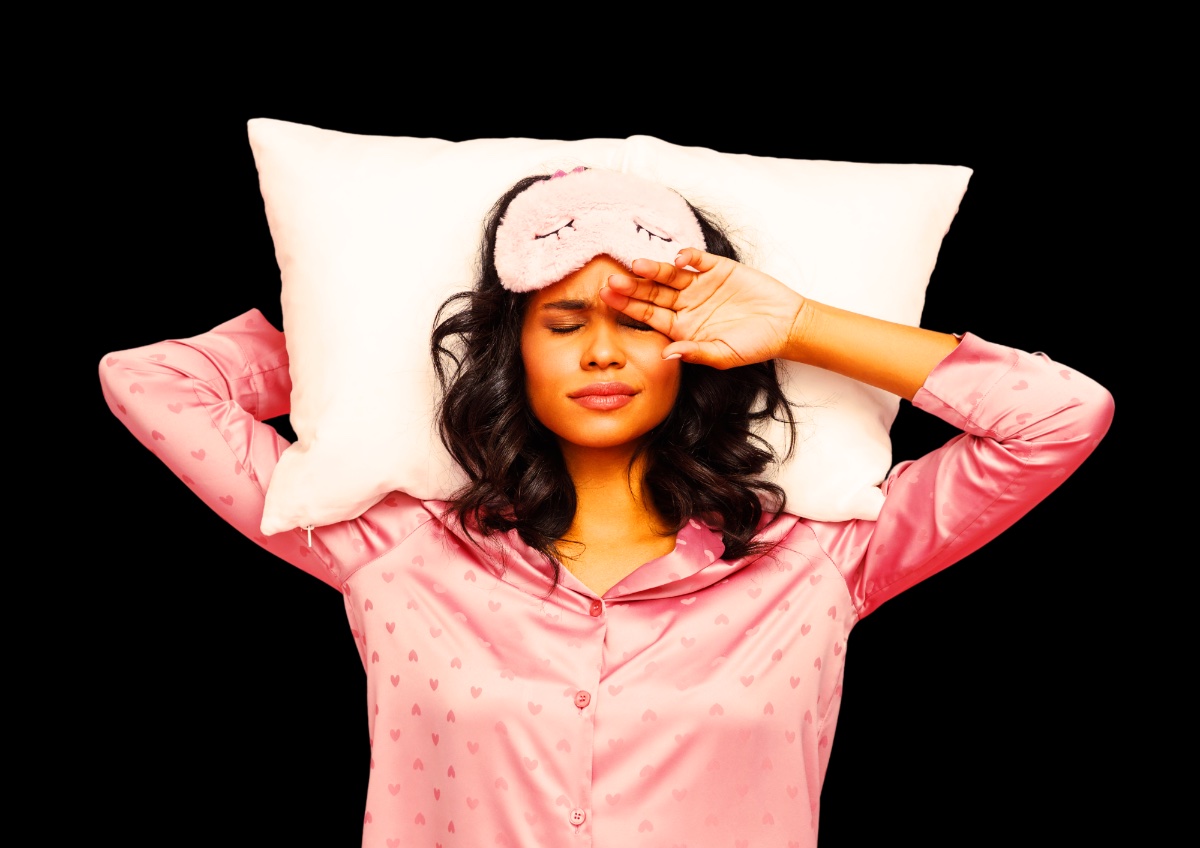
Sleep diary: two weeks that show what actually ruins your sleep

Sleep advice is the same everywhere: dark room, no coffee in the afternoon, put the phone down. Except it isn’t the same thing that ruins everyone’s night — and until you know which item is yours, you’re trying to keep ten rules instead of changing one. Two weeks of measurement settles it, and it takes about ninety seconds a day.
Why sleep advice isn’t enough
General sleep hygiene isn’t wrong — it’s just general. It lists ten items, of which in your case typically two matter and the rest don’t, and no list can tell you which is which.
This matters because ten rules can’t be kept at once. Whoever tries does it heroically for three days, then gives up — and what remains is the impression that “this doesn’t work for me”. When in fact one single item may have been the point, lost among the other nine.
A sleep diary turns this around. It doesn’t give you a rule, it gives you data: after two weeks you can see what your bad nights coincide with. From then on you change one thing, not ten.
The measurement: two weeks, two entries a day
Two weeks are needed, not one — because in a single week the difference between weekend and weekday drowns out every other pattern. And two a day is enough: one in the evening, one in the morning.
- Evening, before bed (30 seconds). When you went to bed, and what the last hour of the day held — screen, conversation, work, movement. Half a sentence.
- Morning, after waking (60 seconds). Roughly when you fell asleep, how many times you woke, when you got up, and a number from zero to ten for HOW RESTED YOU FEEL. Not for how many hours you slept.
The morning number is the single most important field, and it’s the one most sleep diaries get wrong: they measure hours. But eight hours of bad sleep is worse than six hours of good sleep, and it’s the latter your body shows.
Measure restedness, not the clock
The “how many hours did I sleep” number is appealing because it looks precise — but it doesn’t measure what matters. The useful morning question is: “how rested do I feel, from zero to ten?” That single number is what everything else can be compared against.
The seven factors worth marking
You don’t need all of them every day — only what actually occurred. A letter or a word at the end of the line.
- Caffeine — and its TIMING. What matters isn’t how many coffees you drank but when the last one was. Caffeine works for hours, so the afternoon coffee is still working when you’d like to be asleep.
- Alcohol. Mark it separately, because it’s deceptive: it helps you fall asleep but breaks up the second half of the night. Anyone watching only for falling asleep never notices.
- Screen in the last hour. Not only because of the light — the content matters too. An argumentative comment section is not the same as a series.
- Movement — and its timing. Daytime movement usually improves things; intense late-evening exercise makes it worse for many. This is strongly individual, which is exactly why it’s worth measuring.
- The timing of the last meal. Especially if it was heavy.
- An open matter on your mind. An undecided question, an uncomfortable conversation tomorrow. This is the most frequently omitted factor, and for many the strongest.
- The room. Temperature, light, noise. Assess it once, then mark it only when it differed from usual.

What you’ll see after two weeks
Don’t analyse as you go — daily data on its own is noisy and misleading. After two weeks sit down for fifteen minutes and find the three worst and the three best nights by the restedness number.
Then look at what stands NEXT to them. You don’t need the same thing at every bad night — that’s rare. You need one factor to appear typically on the bad side and typically not on the good side.
In brief
- The advice list is the same for everyone — but it isn’t the same thing that ruins everyone’s night.
- Two weeks, not one: in a single week the weekend drowns out the pattern.
- In the morning measure restedness from zero to ten, not the number of hours.
- With caffeine and movement it’s the timing that matters, not the amount.
- After two weeks change ONE thing — the strongest co-occurrence.
The three patterns that show up almost every time
After many diaries, three recurring pictures emerge. There’s a good chance you’ll recognise yourself in one of them.
- The late caffeine you didn’t believe mattered. The most common single item. Many are convinced “it doesn’t affect me” — the diary says otherwise, because the effect shows not in falling asleep but in the DEPTH of the night: the hours are there, yet the restedness number is low.
- The weekend shift. Two hours later to bed and up on Saturday and Sunday, and Monday and Tuesday nights are bad. This is the most easily fixed pattern, and many go years without connecting the two.
- The open matter. Bad nights attach not to a habit but to specific DAYS — the ones with an undecided question or an uncomfortable tomorrow. Here the answer isn’t a sleep measure but getting the thing in your head onto paper before bed.

What NOT to measure
Sleep is the area where measurement most easily becomes part of the problem — and it’s worth knowing this before you start anything.
A smart watch or ring gives a precise-looking number for sleep stages, and that number looks credible. But the estimate works from movement and pulse, so the deep-sleep share is not a measurement but an inference — while it feels precise. And there is a bigger problem than that: if you start the morning with a low score, you experience the whole day as more tired than you would otherwise be. The number produces what it measures.
The phenomenon even has a name — anxiety about sleep tracking — and it hits precisely those who take it most seriously. If your diary begins with checking what grade you got, you’re no longer observing your sleep, you’re competing with it.
This is why the diary asks for a feeling, not data
The morning question is deliberately how rested you feel — not how many minutes you spent in deep sleep. You know the former most accurately, and it’s the one that shapes your day. If you have a watch, wear it by all means; just don’t start the morning with the score.
When falling asleep isn’t the problem — waking is
It’s worth treating separately, because different factors sit behind it. If falling asleep is fine but your eyes open at three in the morning, look at the diary’s other fields: alcohol, the last meal, the room temperature, and open matters.
And one thing that helps a lot here: the worst thing you can do on waking at night is look at the clock and count how much is left. That creates tension, and tension keeps you awake. If you haven’t fallen back asleep after twenty minutes, it’s better to get up, do something boring in dim light, and go back when drowsiness comes.

When a diary isn’t enough
This matters to say, because measurement isn’t the answer to everything. Sometimes the question isn’t what you’re doing wrong in the evening.
- If there is also loud snoring, pauses in breathing or a choking sensation, along with daytime sleepiness — this calls for medical assessment, not a diary.
- If the sleep problem has lasted for weeks and your days suffer for it too (concentration, mood, performance).
- If the insomnia comes with persistent loss of enjoyment or hopelessness — the two often go together, and sleep is a symptom then. Our article on the signs of burnout also covers this.
- If you take medication that can affect sleep — that is worth reviewing with your doctor, not adjusting on your own.
In these cases the diary still isn’t useless — its role is simply different. It doesn’t become a plan but material: something you can take to a professional, without having to recall the past weeks from memory.
How to do it in Mirrify
In Mirrify sleep is recorded alongside the daily entry, so you don’t have to move to another place and it doesn’t become a separate task. After two weeks you don’t page through anything, you look at a list.
The real benefit, though, is the connection: because your mood, energy and habits sit in the same system, after two or three weeks you can also see what is hardest to produce by hand — whether your bad nights coincide with low-mood days, a particular weekday or a recurring person.
What it doesn’t give: it doesn’t measure your sleep. There is no sensor, it doesn’t know when you fell asleep — the two entries are yours to make. In exchange, what the measuring devices miss gets in: how YOU felt about it.

The first two weeks — starting tonight
You don’t need to prepare, and you don’t need to choose a tool. This is all of it.
- Tonight: write one line — when you went to bed, and what the last hour held.
- Tomorrow morning: restedness from zero to ten, and how many times you woke. That number is the backbone of the measurement.
- For fourteen days: the same. If a day is missed, don’t fill it in retrospectively — that’s memory, not measurement.
- After the fourteenth day: fifteen minutes. The three best and the three worst nights, and what stands next to them.
- One change. Starting with the strongest co-occurrence. One, not seven — and give it two weeks before you judge.
And if after two weeks it turns out there is no pattern in it at all? That is a result too: it means it doesn’t come down to your evening habits, and there’s no point twisting those further. From then on either your daytime is the question (stress, movement, light), or — if the complaint persists — a professional is.
Frequently asked questions
What is a sleep diary and what is it good for?
Two short entries a day (evening and morning) for two weeks, with which you don’t measure your sleep but what goes together with your bad and good nights. General sleep hygiene lists ten rules, of which typically two matter for you — the diary tells you which two, so you don’t have to change ten things.
How many hours should I sleep?
This is the question that misleads most often. Eight hours of bad sleep is worse than six hours of good sleep, and it’s the latter your body shows. That’s why the diary doesn’t record hours in the morning but a number from zero to ten for how rested you feel — that’s what everything else can be compared against.
Which factors are worth marking?
Seven: caffeine and its TIMING, alcohol, screen in the last hour, movement and its timing, the last meal, an open matter on your mind, and the room (temperature, light, noise). Not all of them every day — only what actually occurred.
Why two weeks, why isn’t one enough?
Because in a single week the difference between weekend and weekday drowns out every other pattern. Over two weeks it separates out what belongs to the weekend shift and what belongs to something else.
Doesn’t alcohol help you fall asleep?
It does help you fall asleep, and that’s exactly why it’s deceptive: it breaks up the second half of the night. Anyone watching only for falling asleep never notices — but in the diary it shows, because the hours are there while the morning restedness number is low.
What should I do if I wake at night and can’t get back to sleep?
Don’t look at the clock and don’t count how much is left — that creates tension, and tension keeps you awake. If you haven’t fallen back asleep after twenty minutes, it’s better to get up, do something boring in dim light, and go back when drowsiness comes. In the diary, look at alcohol, the last meal, the room temperature and open matters.
When is a diary not enough, and when should I see a doctor?
If there is loud snoring, pauses in breathing or a choking sensation with daytime sleepiness; if the sleep problem has lasted weeks and your days suffer; if it comes with persistent loss of enjoyment or hopelessness; or if you take medication that can affect sleep. Then the diary isn’t a plan but material: you can take it along without recalling the weeks from memory.
Mirrify
Turn reading into practice
Mirrify brings your journal, habits, goals and an AI mentor that works from your own data together in one place.
- Journal, morning and evening reflection, habits, goals and to-dos — in one system.
- An AI mentor that remembers your earlier entries and shows you your patterns.
- Write with no connection: it syncs as soon as you are back online.
Also worth reading in the knowledge base
 Daily practiceEvening routineClose your day and sleep more deeply.7 min→
 Self-knowledgeMood trackingWhat your mood reveals about you.15 min→
 Daily practiceDigital detoxScreen time, sleep and how you feel.8 min→
 Daily practiceThe signs of burnoutWhen a sleep problem is a symptom.9 min→
 Self-knowledgeYour cycle and your moodSome of your bad days aren’t random, and aren’t caused by events either.12 min read→
 Self-knowledgeAlways tiredTiredness isn’t one thing.12 min read→