Knowledge base › Daily practice
Why you quit new habits — and how to start again
You usually quit new habits not from laziness but because you rely on motivation, aim too big, and give up after a single missed day. The key to restarting isn't restarting at all: shrink the habit, re-anchor the cue, and never miss twice in a row.
Why do you really quit new habits?
The short answer: not because you're weak, but because your system was flawed, not you. Most habits die not in month three but in the first two weeks — right when the initial excitement evaporates and there's no structure left underneath to hold it up. When you lean only on willpower and your good days, one hard day is enough to bring the whole thing down.
It matters to see this clearly, because quitting a habit almost always comes from the same few, identifiable sources. Once you recognize them, you don't have to run into the same wall again and again. Let's look at them one by one.
The real reasons a habit fails
- You rely on motivation, not systems. Motivation is an emotion — it comes and goes. If your habit depends on whether you "feel like it," there's nothing to carry you on the bad days.
- You aim too big. "From now on I'll work out an hour a day" — that's the too-big trap. A large goal collapses on the first tired day because it leaves no room to breathe.
- You have no clear cue. If there's no concrete moment or place that triggers the habit, it simply gets lost in the noise of the day.
- All-or-nothing thinking. "If I can't do it perfectly, why bother." After a single missed day you let the whole thing go.
- No identity shift. If in your head you're "someone trying to run" rather than "a runner," the habit always stays an outside burden forced onto you.
- You don't track it. If you can't see where you stand, there's no feedback, no momentum, and nothing to defend on a weak day.
Why does a single missed day topple everything?
One missed day means nothing on its own. Research suggests that a single skipped occasion has no measurable effect on whether a habit forms over the long run. The trouble doesn't start with the miss — it starts with the story you weave around it.
The sequence goes like this: you skip a day. Then comes the thought: "Well, I've blown it." That thought breeds shame, and shame breeds avoidance. The next day you don't just have to do the habit — you have to face the feeling of failure too, so you avoid the whole thing instead. That's how one missed day becomes three, three become a week, and a week becomes "I'll start again in January."
This snowball effect is the sneakiest mechanism in how habits die, because it's decided not at the level of action but inside your head. And that's exactly why it can be stopped — with a single rule we'll look at next.
The shame trap: the hidden obstacle
Most people believe they fail because they lack discipline. In reality, it's far more often shame that keeps the relapse going. When you skip, a little inner judge speaks up: "See, you never finish anything." And the more you listen, the truer it feels.
Shame, paradoxically, makes impossible the very thing you need: a quick, easy return. Someone consumed by shame doesn't step gently back — they avoid, because the habit's reminder turns into a painful reminder of their failure. That's why self-compassion isn't a soft luxury but a practical tool for persistence. Someone who can forgive their own slip gets back on track far faster.
How to start again without starting over
The biggest myth is that after a relapse you have to "start from scratch." You don't. You haven't lost the effect of the earlier days — the neural traces of the habit are still in you. The goal isn't to restart but to continue. Here's a simple five-step method you can use any time.
- Apply the "never miss twice" rule. One missed day is human. Two is a pattern. Commit to one thing: whatever happens, you never skip twice in a row. This single rule is worth more than a hundred good intentions.
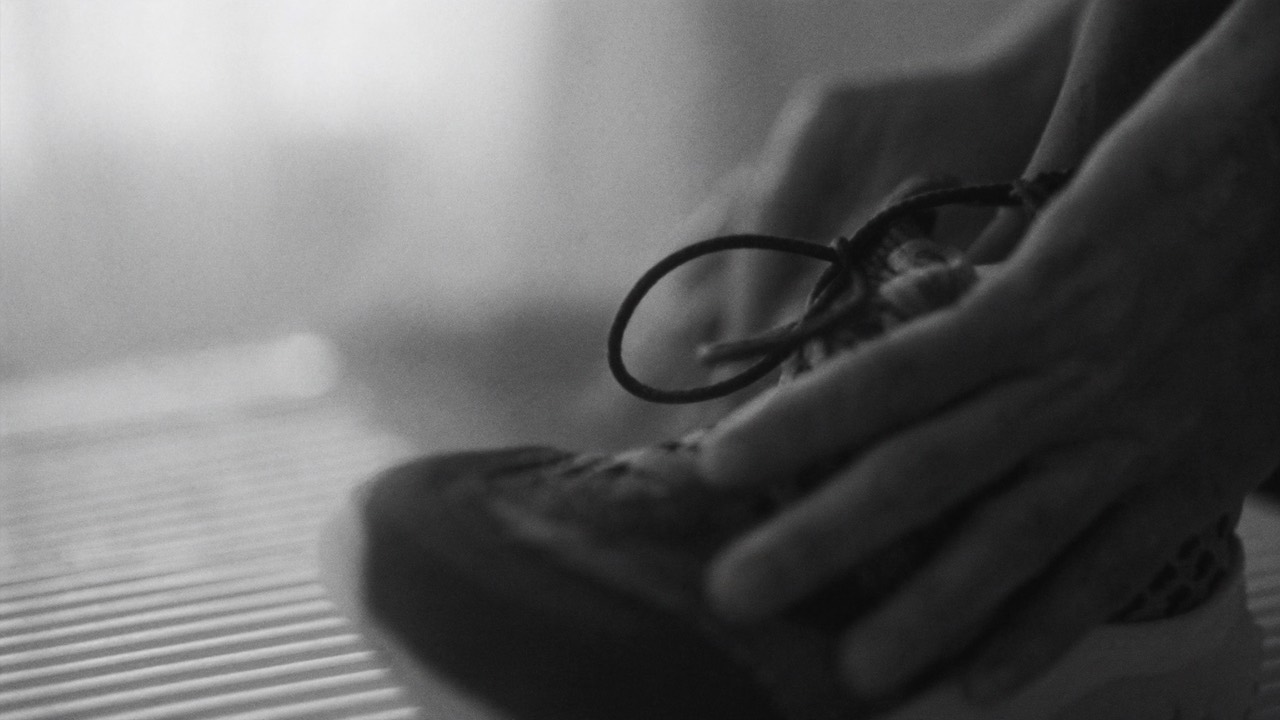
- Shrink the habit to something ridiculously small. Don't try to bring back the old, big version. If your workout stalled, the return isn't an hour — it's one push-up or one laced shoe. Right now the goal is to show up, not to perform.
- Re-anchor your cue. Tie the habit to an existing, reliable point in your day: "after I drink my morning coffee, I write one sentence." A concrete cue lifts the burden of deciding off your shoulders.
- Forgive the slip — out loud. Say it to yourself: "I missed. That's okay. I continue today." Don't dwell, don't over-analyze. Quick forgiveness short-circuits the shame-avoidance loop.
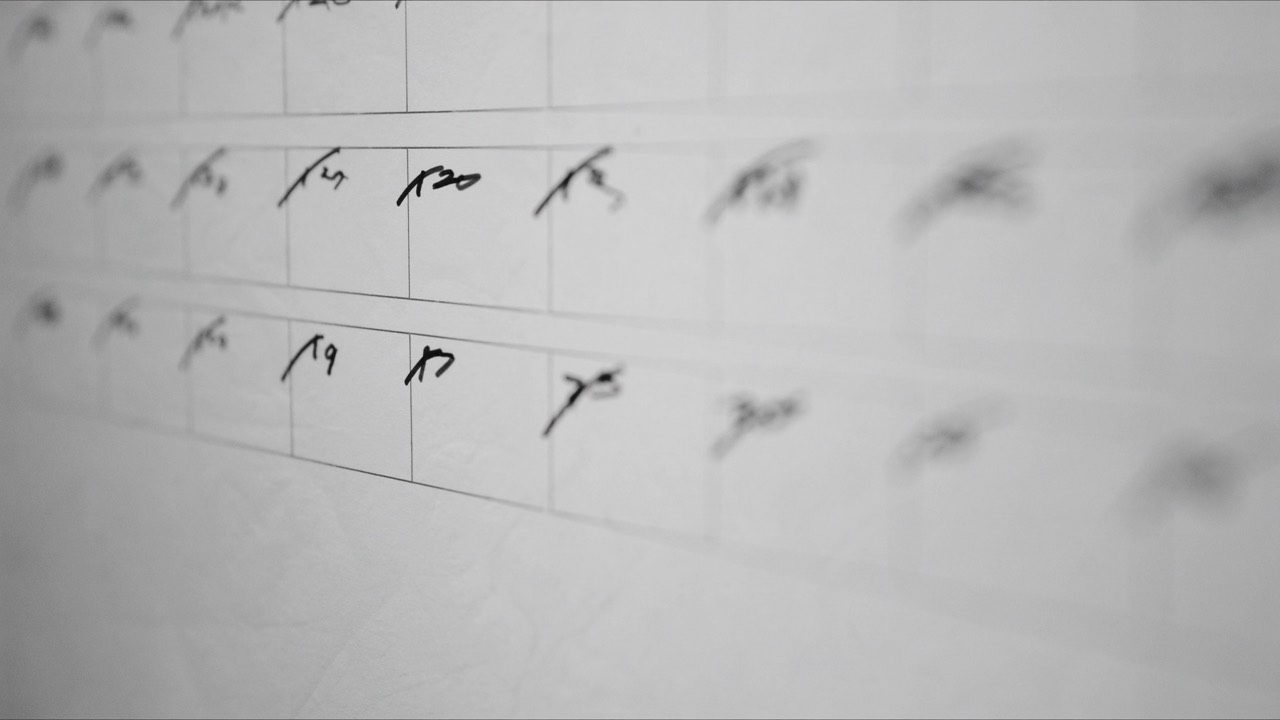
- Record the return. Put down a check, an X, a mark — anything that makes it visible that you came back. Visible momentum is the best defense against the next weak day.
Quick restart checklist
- Small: what's the ridiculously tiny version of the habit you can do in two minutes today?
- Cue: which existing habit will you attach it to so you don't have to remember it?
- Forgiveness: have you said out loud that the miss is okay and you continue today?
- Trace: where will you put a visible mark proving that you came back?
Habit stacking and the power of environment
If willpower is unreliable, your environment is one of your strongest allies. There are two proven tools. The first is habit stacking: you tie a new habit to an existing one. The formula is simple: "after [existing habit], I'll do [new habit]." You don't need to find a new time or new motivation — your brain already knows the anchor.
The second is redesigning your environment. Make the habit easier than avoiding it. If you want to run in the morning, lay out your clothes by the bed the night before. If you want to scroll less, put your phone in another room. A good system doesn't ask for more willpower — it asks for less, because it removes the friction from the process.
The identity that holds the habit
At the deepest level, habits aren't about what you do but about who you believe you are. Every time you do the thing, you cast a small vote for "I'm this kind of person." The question isn't "did I run today," but "am I the kind of person who doesn't give up on themselves."
That's why the return is so powerful. When you continue even after a slip, what you're really telling yourself is: "I can miss a day, but I won't give up on who I want to be." This loyalty to identity is far more durable than any motivation — because it doesn't depend on the day, the mood, or the weather. The trick is to flip the order: don't wait until you "become a runner" to start running. It works the other way around. Every small act — even a two-minute one — is a vote for your new self-image, and out of those small votes the person who does the thing naturally is slowly built.

A concrete example: how do you return to running?
Let's see what all of this looks like in practice. Picture someone — call her Anna — who ran every morning for three weeks, then caught a cold, missed two days, and hit a crowded week. By the time she noticed, she hadn't moved in twelve days. Her old self would say: "I've blown it, I'll start fresh on Monday with a clean slate." And what would happen? On Monday she'd try to run an hour again, run out of breath, feel disappointed, and give up again by Friday.
Anna does it differently now. She doesn't wait for Monday — this afternoon she laces up her shoes and runs a single block. That's it. She isn't interested in the training plan, only in showing up. She re-anchors the cue: "after I sit down with my morning coffee, I put on my running shoes." She doesn't over-analyze the twelve missed days — she says it out loud: "I missed. That's okay. I continue today." And the next day, tired as she is, she keeps the one rule: she doesn't miss twice. Two weeks later Anna is running daily again — not because she grew a stronger will, but because she made the return easy instead of making the continuation hard.
Anna's story also points to a quiet truth rarely spoken about habits: progress is never linear. There will be weeks when everything flows and weeks when every day is a struggle. Most people give up precisely in the hard stretch — believing "if it's this hard, it's clearly not for me." Yet difficulty isn't a sign of failure; it's part of the process.
When a habit suddenly feels harder, that's often not a regression but a plateau on the edge of a reshuffle. Body and brain are adapting, and that adaptation doesn't always feel good. The worst thing you can do in that moment is raise the stakes or quit. The best thing: hold the smallest version and trust that momentum returns. Patience isn't passivity — it's the ability to continue even when the quick result hasn't arrived.
How Mirrify helps you see why a habit slipped
The hardest part often isn't the return but understanding why you slipped in the first place. The Mirrify self-knowledge app helps here (other, unrelated products are also called "Mirrify" — we mean the self-knowledge app): it reads the patterns out of your own journal and habit entries. It doesn't judge and it doesn't push — it simply holds up a mirror.
Instead of a vague feeling that "I've blown it again," Mirrify shows you concrete connections: on which days, in which moods, under what circumstances a given habit tends to stall. Maybe it falls apart after poor sleep, or on crowded Mondays. Once you see the pattern, you don't have to blame yourself — you can adjust your system instead. The AI mentor works from your own words, gently helps you re-anchor your cue, and reminds you of the "never miss twice" rule. It doesn't expect perfection from you — it expects a return.
The point: the return is the real skill
People with "iron will" don't keep their habits because they never miss. They do miss — they just return quickly, without shame. Lasting change isn't about the unbroken streak but about short relapses and fast recoveries. If you take one thing away: next time you miss a day, don't start over — just don't miss tomorrow too. That's the whole secret.
Frequently asked questions
Why do I always quit my new habits?
Usually not from lack of willpower, but because you rely on motivation instead of a system, aim too big, have no clear cue, and think in all-or-nothing mode. After a single missed day you give up. The fix isn't more discipline — it's a smaller step, a concrete cue, and a fast return.
What does the "never miss twice" rule mean?
It means one missed day is human, but two in a row becomes a pattern. Commit to this: whatever happens, you never skip twice in a row. The first miss is an accident, the second is a decision. This simple rule stops the snowball before it starts rolling.
Do I have to start over from scratch after a relapse?
No. The effect of your earlier days doesn't vanish — the neural traces are still in you. The goal isn't to restart but to continue. Shrink the habit to something ridiculously small, re-anchor your cue, forgive the slip, and simply step back in at the next opportunity.
How do I get past the feeling of shame?
Shame breeds avoidance, and avoidance breeds a longer relapse. Self-compassion isn't a soft luxury but a practical tool: those who can forgive their own slip return faster. Say it out loud: "I missed, that's okay, I continue today" — and don't over-analyze it.
How does Mirrify help with restarting habits?
The Mirrify self-knowledge app reads from your own journal and habit entries when and under what circumstances a habit tends to stall. It shows you the pattern — for example that it falls apart after poor sleep or on busy days — so you can adjust your system instead of blaming yourself.
What's the fastest way to restart a stalled habit?
Shrink the habit to the smallest possible version — one push-up, one sentence, one laced shoe. Right now the goal is showing up, not performing. Tie it to an existing routine, put down a check when it's done, and repeat tomorrow. Momentum returns quickly.
Mirrify
Everything in one place — in Mirrify
Mirrify is a self-knowledge app: journal, habit tracking, goals, finances and an AI mentor that knows you from your own words and turns insight into measurable change.
- Journal, morning and evening reflection, habits, goals and to-dos — in one system.
- An AI mentor that remembers your earlier entries and shows you your patterns.
- Write with no connection: it syncs as soon as you are back online.
Related from the knowledge base
 Daily practiceHabit buildingFrom the basics.17 min→
 GoalsThe power of small stepsWhy big fails.6 min→
 Daily practiceHow to stop procrastinatingBehind the stall.17 min→
Mirrify self-knowledge appSee your patterns.→
Daily practiceHow to stop procrastinatingBehind the stall.17 min→
Mirrify self-knowledge appSee your patterns.→
 GoalsYear-end review10 questions, and why resolutions fail.11 min→
 Self-knowledgeThe inner criticWhy harshness doesn't motivate.11 min→
 Daily practiceWhy do people quit journaling after 2-3 weeks?Journaling isn't a discipline problem.10 min→
 Self-knowledgeShame: the hardest feeling to say out loud — and…Guilt says you made a mistake.12 min read→